How Car Key Replacement Works for Modern Vehicles
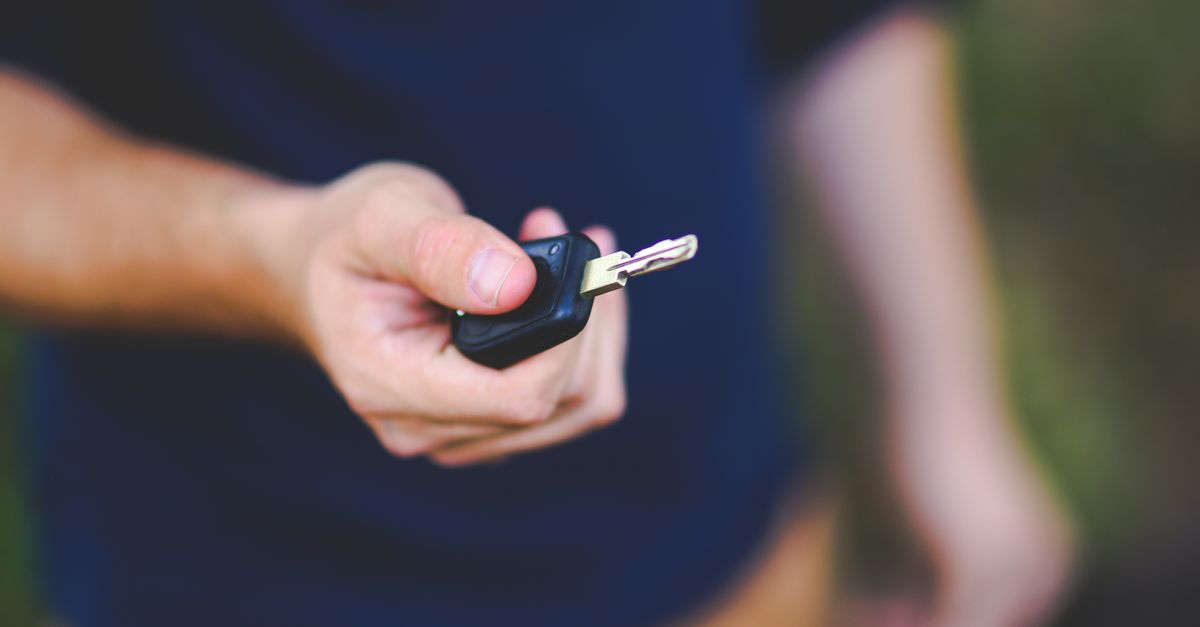
Today's vehicle keys are far more than stamped metal. Most cars built after the mid-1990s use transponder chips embedded in the key head that must be electronically matched to the vehicle's Engine Control Unit (ECU) before the engine will start. A physically cut key that hasn't been programmed will turn the ignition but the engine will crank without starting — a frustrating experience that leads many drivers to mistakenly think their ignition is broken. Our technicians use OBD-II compatible programming tools to write the correct transponder code directly to your vehicle, completing the process on the spot.
Push-to-start vehicles add another layer. Smart keys and proximity fobs communicate via rolling security codes, meaning a replacement must be both cut to the correct blade profile and enrolled in the vehicle's keyless entry and push-button start module. We carry blank key stock and fob shells for hundreds of makes and models and use manufacturer-level software to handle programming for vehicles including Ford, GM (Chevrolet, GMC, Buick, Cadillac), Chrysler, Dodge, Jeep, Honda, Toyota, Hyundai, Kia, Nissan, Subaru, and many European makes. If you're unsure whether your vehicle requires transponder programming, call (845) 572-1284 and we'll identify exactly what your key type needs before dispatching.